

ວາວບານສ່ວນໃຫຍ່ແມ່ນເປັນອຸປະກອນເປີດ/ປິດ. ການອອກແບບຂອງມັນຈຳກັດຄວາມສາມາດໃນການຄວບຄຸມການໄຫຼທີ່ຊັດເຈນ. ຂໍ້ຈຳກັດນີ້ສາມາດສົ່ງຜົນກະທົບຕໍ່ປະສິດທິພາບຂອງມັນໃນການນຳໃຊ້ປ້ອງກັນໄຟໄໝ້ບາງຢ່າງ. ນີ້ແມ່ນຈຸດສຳຄັນບາງຢ່າງກ່ຽວກັບfire protection valvesຂອງວາວບານ:ຟັງຊັນເປີດ/ປິດວາວບານມີຄວາມເກັ່ງກ້າໃນການປິດ ຫຼື ປ່ອຍໃຫ້ນ້ຳໄຫຼໄດ້ໄວ. ຢ່າງໃດກໍຕາມ, ພວກມັນບໍ່ໄດ້ຜົນດີເມື່ອຜູ້ປະຕິບັດງານຕ້ອງການປັບອັດຕາການໄຫຼເທື່ອລະກ້າວ.ບັນຫາການຄວບຄຸມຄວາມໄວເມື່ອເປີດບາງສ່ວນ, ວາວບານສາມາດສ້າງຄວາມວຸ້ນວາຍໄດ້. ຄວາມວຸ້ນວາຍນີ້ສາມາດນໍາໄປສູ່ການຫຼຸດລົງຂອງຄວາມກົດດັນ ແລະ ອັດຕາການໄຫຼທີ່ບໍ່ສອດຄ່ອງ. ພຶດຕິກໍາດັ່ງກ່າວສາມາດຂັດຂວາງປະສິດທິພາບຂອງລະບົບສະກັດກັ້ນໄຟ.ການຄວບຄຸມການໄຫຼວາວບານບໍ່ເໝາະສົມສຳລັບການນຳໃຊ້ທີ່ຕ້ອງການການຄວບຄຸມການໄຫຼທີ່ລະອຽດ. ການອອກແບບຂອງພວກມັນບໍ່ອະນຸຍາດໃຫ້ມີການປັບຕົວເທື່ອລະກ້າວ. ຂໍ້ຈຳກັດນີ້ອາດເປັນບັນຫາໃນສະຖານະການທີ່ການຈັດສົ່ງນ້ຳທີ່ຊັດເຈນແມ່ນສິ່ງຈຳເປັນ.ຄຳແນະນຳສຳລັບການນຳໃຊ້ທີ່ຕ້ອງການການປັບການໄຫຼ, ໃຫ້ພິຈາລະນາໃຊ້ວາວປະຕູ ຫຼື ວາວປະເພດອື່ນໆທີ່ອອກແບບມາສຳລັບການຄວບຄຸມການໄຫຼ.
ຕາຕະລາງຂ້າງລຸ່ມນີ້ສະຫຼຸບຄວາມສາມາດໃນການຄວບຄຸມການໄຫຼຂອງບານວາວທຽບກັບວາວປະຕູ:
- ປະເພດວາວ
- ຄວາມສາມາດໃນການຄວບຄຸມການໄຫຼ
- ກໍລະນີການນຳໃຊ້ທີ່ເໝາະສົມ
- ບານວາວຈຳກັດ
- ບໍລິການ ເປີດ/ປິດວາວປະຕູ
ປານກາງ
ການຄວບຄຸມການໄຫຼ ແລະ ການໄຫຼຂອງນ້ຳການນຳໃຊ້ໃນລະບົບໄຟໄໝ້ວາວປ້ອງກັນໄຟມີບົດບາດສຳຄັນໃນການນຳໃຊ້ຕ່າງໆພາຍໃນລະບົບປ້ອງກັນໄຟ. ການເລືອກຂອງພວກມັນແມ່ນຂຶ້ນກັບຄວາມຕ້ອງການດ້ານການດຳເນີນງານສະເພາະ ແລະ ລັກສະນະຂອງຍຸດທະສາດປ້ອງກັນໄຟ. ຂ້າງລຸ່ມນີ້ແມ່ນການນຳໃຊ້ທີ່ສຳຄັນບາງຢ່າງສຳລັບທັງວາວປະຕູ ແລະ ວາວບານໃນລະບົບໄຟ:
| 1. ລະບົບສີດນ້ຳດັບເພີງ | Ball Valves | Gate Valves |
|---|---|---|
| ລະບົບທໍ່ນໍ້າຢືນ, ເຊິ່ງມັກພົບເຫັນຢູ່ໃນອາຄານການຄ້າ, ແມ່ນອີງໃສ່ວາວປ້ອງກັນໄຟເພື່ອຮັບປະກັນການສະໜອງນໍ້າທີ່ພຽງພໍສໍາລັບການດັບເພີງ. ວາວປະຕູມັກຖືກນໍາໃຊ້ເພື່ອແຍກສ່ວນຕ່າງໆຂອງລະບົບ, ໃນຂະນະທີ່ວາວບານຊ່ວຍໃຫ້ການເຮັດວຽກໄວສໍາລັບການເຂົ້າເຖິງນໍ້າທັນທີ. | 3. ລະບົບທໍ່ດັບເພີງ | ລະບົບທໍ່ນ້ຳດັບເພີງຕ້ອງການວາວທີ່ໜ້າເຊື່ອຖື ແລະ ມີປະສິດທິພາບເພື່ອຮັບປະກັນວ່ານັກດັບເພີງສາມາດເຂົ້າເຖິງນ້ຳໄດ້ໄວ. ວາວປະຕູມັກຈະຖືກຕິດຕັ້ງຢູ່ທໍ່ສະໜອງນ້ຳຫຼັກເພື່ອຄວບຄຸມການໄຫຼຂອງນ້ຳໄປຫາທໍ່ນ້ຳດັບເພີງ. ວາວບານຍັງອາດຈະຖືກນຳໃຊ້ເພື່ອປິດໄວໃນສະຖານະການສຸກເສີນ. |
| 4. ລະບົບນ້ຳຖ້ວມ ແລະ ລະບົບກ່ອນການປະຕິບັດ | ໃນລະບົບສະກັດກັ້ນໄຟໄໝ້ນ້ຳຖ້ວມ ແລະ ລະບົບປ້ອງກັນໄຟໄໝ້ກ່ອນການກະທຳ, ວາວປ້ອງກັນໄຟໄໝ້ມີບົດບາດສຳຄັນໃນການຄວບຄຸມການໄຫຼຂອງນ້ຳໄປຫາຫົວສີດນ້ຳ. ວາວປະຕູສາມາດແຍກສ່ວນຕ່າງໆຂອງລະບົບເພື່ອການບຳລຸງຮັກສາ, ໃນຂະນະທີ່ວາວບານຊ່ວຍໃຫ້ການໄຫຼຂອງນ້ຳເຮັດວຽກໄດ້ໄວເມື່ອຕ້ອງການ. | 5. ການນຳໃຊ້ໃນອຸດສາຫະກຳ |
| Flow Regulation | 6. ການປ້ອງກັນໄຟໄໝ້ທີ່ຢູ່ອາໄສ | ລະບົບປ້ອງກັນໄຟໄໝ້ທີ່ຢູ່ອາໄສຍັງໄດ້ຮັບຜົນປະໂຫຍດຈາກການໃຊ້ວາວປ້ອງກັນໄຟໄໝ້. ວາວປະຕູໃຫ້ຄວາມສາມາດໃນການປິດທີ່ໜ້າເຊື່ອຖື, ໃນຂະນະທີ່ວາວບານຮັບປະກັນການເຂົ້າເຖິງນ້ຳປະປາໄດ້ໄວສຳລັບການດັບເພີງ. |
| Durability | ເມື່ອເລືອກວາວສຳລັບລະບົບປ້ອງກັນໄຟໄໝ້, ໃຫ້ພິຈາລະນາເຖິງຄວາມຕ້ອງການສະເພາະຂອງການນຳໃຊ້ ແລະ ການປະຕິບັດງານ. ວາວແຕ່ລະປະເພດສະເໜີຂໍ້ໄດ້ປຽບທີ່ເປັນເອກະລັກທີ່ສາມາດເສີມຂະຫຍາຍປະສິດທິພາບຂອງລະບົບ. | ສະຖານະການທີ່ເໝາະສົມສຳລັບວາວປະຕູ |
| ວາວປະຕູມີປະສິດທິພາບໂດຍສະເພາະໃນສະຖານະການຕ່າງໆພາຍໃນລະບົບປ້ອງກັນໄຟໄໝ້. ການອອກແບບ ແລະ ໜ້າທີ່ຂອງມັນເຮັດໃຫ້ພວກມັນເໝາະສົມກັບການນຳໃຊ້ສະເພາະບ່ອນທີ່ | ການຄວບຄຸມການໄຫຼທີ່ໜ້າເຊື່ອຖື | ເປັນສິ່ງຈໍາເປັນ. ຂ້າງລຸ່ມນີ້ແມ່ນບາງສະຖານະການທີ່ເໝາະສົມສໍາລັບການໃຊ້ວາວປະຕູ: |
ການແຍກນ້ຳປະປາຫຼັກ
ວາວປະຕູເຮັດໜ້າທີ່ເປັນກົນໄກປິດຫຼັກສຳລັບການສະໜອງນ້ຳຫຼັກໃນລະບົບປ້ອງກັນໄຟໄໝ້. ພວກມັນອະນຸຍາດໃຫ້ປິດໄດ້ຢ່າງສົມບູນໃນລະຫວ່າງການບຳລຸງຮັກສາ ຫຼື ເຫດສຸກເສີນ, ຮັບປະກັນວ່າລະບົບຍັງຄົງປອດໄພ ແລະ ໃຊ້ງານໄດ້.ການນຳໃຊ້ຄວາມກົດດັນສູງໃນສະພາບແວດລ້ອມທີ່ຄວາມກົດດັນສູງເປັນບັນຫາ, ວາວປະຕູແມ່ນດີເລີດ. ໂຄງສ້າງທີ່ແຂງແຮງຂອງມັນສາມາດທົນຕໍ່ຄວາມກົດດັນທີ່ສຳຄັນໂດຍບໍ່ມີການຫຼຸດຜ່ອນປະສິດທິພາບ. ຄວາມທົນທານນີ້ເຮັດໃຫ້ພວກມັນເໝາະສົມສຳລັບການຕັ້ງອຸດສາຫະກຳ.
ທໍ່ສົ່ງນ້ຳຂະໜາດໃຫຍ່
ວາວປະຕູມັກຖືກນໍາໃຊ້ໃນທໍ່ສົ່ງນໍ້າທີ່ມີເສັ້ນຜ່າສູນກາງຂະໜາດໃຫຍ່ບ່ອນທີ່ຕ້ອງການການຄວບຄຸມການໄຫຼ. ການອອກແບບຂອງພວກມັນຊ່ວຍຫຼຸດຜ່ອນການຈໍາກັດການໄຫຼ, ຊ່ວຍໃຫ້ການສົ່ງນໍ້າມີປະສິດທິພາບໃນຊ່ວງສຸກເສີນ.
ລະບົບທໍ່ດັບເພີງ
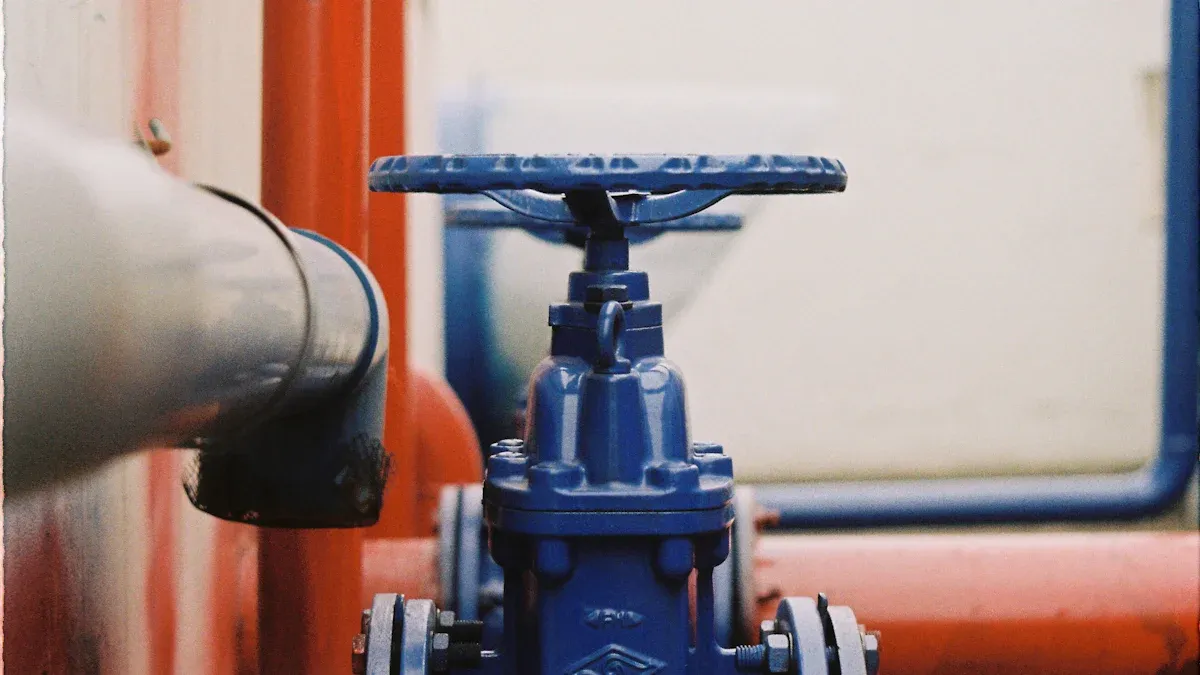
ວາວປະຕູມັກຈະຖືກຕິດຕັ້ງຢູ່ໃນລະບົບທໍ່ນ້ຳດັບເພີງ. ພວກມັນໃຫ້ການແຍກນ້ຳທີ່ໜ້າເຊື່ອຖື, ຮັບປະກັນວ່ານັກດັບເພີງສາມາດເຂົ້າເຖິງນ້ຳໄດ້ໄວເມື່ອຕ້ອງການ.ວາວປະຕູເໝາະສົມກັບການນຳໃຊ້ການຄວບຄຸມປະລິມານບໍ?ໃນລະບົບທໍ່ຢືນ, ວາວປະຕູອະນຸຍາດໃຫ້ມີການແຍກສ່ວນສະເພາະ. ຄວາມສາມາດນີ້ແມ່ນມີຄວາມສຳຄັນຫຼາຍສຳລັບການບຳລຸງຮັກສາ ແລະ ຮັບປະກັນວ່າສ່ວນອື່ນໆຂອງລະບົບຍັງຄົງໃຊ້ງານໄດ້.
- Ball Valvesເມື່ອເລືອກວາວປະຕູສຳລັບລະບົບປ້ອງກັນໄຟໄໝ້, ໃຫ້ພິຈາລະນາເຖິງຄວາມຕ້ອງການສະເພາະຂອງການນຳໃຊ້ ແລະ ການປະຕິບັດງານ. ຄວາມສາມາດໃນການປິດລະບົບທີ່ໜ້າເຊື່ອຖື ແລະ ທົນທານຕໍ່ແຮງດັນສູງເຮັດໃຫ້ພວກມັນເປັນອົງປະກອບທີ່ມີຄຸນຄ່າໃນສະຖານະການຕ່າງໆ.
- Gate Valvesວາວບານມີປະສິດທິພາບໂດຍສະເພາະໃນສະຖານະການຕ່າງໆພາຍໃນລະບົບປ້ອງກັນໄຟໄໝ້. ການອອກແບບ ແລະ ປະສິດທິພາບໃນການດຳເນີນງານຂອງມັນເຮັດໃຫ້ພວກມັນເໝາະສົມກັບການນຳໃຊ້ສະເພາະບ່ອນທີ່ການຕອບສະໜອງທີ່ວ່ອງໄວ ແລະ ຄວາມໜ້າເຊື່ອຖືແມ່ນມີຄວາມຈຳເປັນ. ຂ້າງລຸ່ມນີ້ແມ່ນບາງສະຖານະການທີ່ເໝາະສົມສຳລັບການໃຊ້ວາວບານ:
ການປິດສຸກເສີນ
ວາວບານແມ່ນດີເລີດໃນສະຖານະການທີ່ຕ້ອງການປິດຢ່າງໄວວາ. ການເຮັດວຽກແບບໝຸນສີ່ຮອບຂອງພວກມັນຊ່ວຍໃຫ້ປິດໄດ້ທັນທີ, ເຊິ່ງມີຄວາມສຳຄັນຫຼາຍໃນຊ່ວງເຫດສຸກເສີນໄຟໄໝ້. ພະນັກງານດັບເພີງສາມາດເຂົ້າເຖິງແຫຼ່ງນ້ຳໄດ້ຢ່າງວ່ອງໄວ, ຮັບປະກັນການຕອບສະໜອງຢ່າງວ່ອງໄວ.
ລະບົບຄວາມດັນສູງວາວປະຕູເໝາະສົມກັບການນຳໃຊ້ການຄວບຄຸມປະລິມານບໍ?ສາຍສະໜອງນ້ຳ
Gate Valves
- ສຳລັບລະບົບປ້ອງກັນໄຟໄໝ້, ໃຫ້ພິຈາລະນາເຖິງການເຮັດວຽກທີ່ວ່ອງໄວ ແລະ ການຫຼຸດລົງຂອງຄວາມດັນຕໍ່າຂອງພວກມັນ. ຄຸນສົມບັດເຫຼົ່ານີ້ຊ່ວຍເພີ່ມປະສິດທິພາບ ແລະ ຄວາມໜ້າເຊື່ອຖືຂອງລະບົບໂດຍລວມ.ໃນລະບົບສີດນ້ຳດັບເພີງ, ວາວບານຊ່ວຍໃຫ້ເປີດໃຊ້ງານໄດ້ໄວ. ພວກມັນຊ່ວຍໃຫ້ນ້ຳໄຫຼໄປຫາຫົວສີດນ້ຳໄດ້ທັນທີ, ຊ່ວຍເພີ່ມປະສິດທິພາບຂອງຄວາມພະຍາຍາມໃນການສະກັດກັ້ນໄຟໄໝ້.
- ລະບົບນໍ້າຖ້ວມວາວບານມີບົດບາດສຳຄັນໃນລະບົບນ້ຳຖ້ວມ, ບ່ອນທີ່ຈຳເປັນຕ້ອງມີການປ່ອຍນ້ຳຢ່າງໄວວາ. ການອອກແບບຂອງວາວເຫຼົ່ານີ້ຊ່ວຍໃຫ້ສາມາດເຮັດວຽກໄດ້ໄວ, ຮັບປະກັນວ່ານ້ຳຈະໄປຮອດພື້ນທີ່ທີ່ຕັ້ງໃຈໄວ້ໂດຍບໍ່ມີການຊັກຊ້າ.
- ການຕອບສະໜອງຢ່າງວ່ອງໄວໃນລະຫວ່າງໄຟໄໝ້: ເມື່ອໃດ
Ball Valves
- ສຳລັບລະບົບປ້ອງກັນໄຟໄໝ້, ໃຫ້ພິຈາລະນາເຖິງການເຮັດວຽກທີ່ວ່ອງໄວ ແລະ ການຫຼຸດລົງຂອງຄວາມດັນຕໍ່າຂອງພວກມັນ. ຄຸນສົມບັດເຫຼົ່ານີ້ຊ່ວຍເພີ່ມປະສິດທິພາບ ແລະ ຄວາມໜ້າເຊື່ອຖືຂອງລະບົບໂດຍລວມ.ປະເພດແອັບພລິເຄຊັນ
- ຜົນປະໂຫຍດຫຼັກການປິດສຸກເສີນ
- ການຕອບສະໜອງຢ່າງວ່ອງໄວໃນລະຫວ່າງໄຟໄໝ້ລະບົບຄວາມດັນສູງຮັກສາຄວາມຊື່ສັດພາຍໃຕ້ຄວາມກົດດັນສາຍສະໜອງນ້ຳ
Tipລະບົບສີດນ້ຳ
ການເປີດໃຊ້ງານການໄຫຼຂອງນ້ຳທັນທີ
ລະບົບນໍ້າຖ້ວມ
- ປ່ອຍນ້ຳໄດ້ໄວເພື່ອສະກັດກັ້ນປະສິດທິພາບໂດຍລວມໃນລະບົບໄຟໄໝ້
- ປະສິດທິພາບຂອງວາວປ້ອງກັນໄຟ
- ສົ່ງຜົນກະທົບຢ່າງຫຼວງຫຼາຍຕໍ່ປະສິດທິພາບຂອງລະບົບຄວາມປອດໄພຈາກໄຟໄໝ້. ທັງວາວປະຕູ ແລະ ວາວບານມີບົດບາດສຳຄັນໃນການຮັບປະກັນການໄຫຼຂອງນ້ຳທີ່ໜ້າເຊື່ອຖືໃນລະຫວ່າງເຫດສຸກເສີນ. ລັກສະນະທີ່ເປັນເອກະລັກຂອງພວກມັນປະກອບສ່ວນເຂົ້າໃນປະສິດທິພາບໂດຍລວມຂອງຄວາມພະຍາຍາມໃນການສະກັດກັ້ນໄຟໄໝ້.ວາວປະຕູແມ່ນດີເລີດໃນການນຳໃຊ້ທີ່ຕ້ອງການການປິດການໄຫຼຢ່າງສົມບູນ. ພວກມັນໃຫ້ວິທີການທີ່ເຊື່ອຖືໄດ້ໃນການແຍກສ່ວນຕ່າງໆຂອງລະບົບປ້ອງກັນໄຟໄໝ້. ຄວາມສາມາດນີ້ແມ່ນສິ່ງຈຳເປັນໃນລະຫວ່າງການບຳລຸງຮັກສາ ຫຼື ເຫດສຸກເສີນ. ວາວປະຕູຊ່ວຍໃຫ້ມີຄວາມສາມາດໃນການໄຫຼສູງ, ຮັບປະກັນວ່ານ້ຳຈະໄປຮອດພື້ນທີ່ສຳຄັນເມື່ອຕ້ອງການ. ໂຄງສ້າງທີ່ແຂງແຮງຂອງພວກມັນທົນທານຕໍ່ຄວາມກົດດັນສູງ, ເຮັດໃຫ້ພວກມັນເໝາະສົມກັບສະພາບແວດລ້ອມຕ່າງໆ.
- ໃນທາງກົງກັນຂ້າມ, ວາວບານໃຫ້ການເຮັດວຽກໄວ ແລະ ການຫຼຸດລົງຂອງຄວາມດັນຕໍ່າ. ກົນໄກການໝຸນສີ່ສ່ວນຂອງພວກມັນຊ່ວຍໃຫ້ສາມາດເຂົ້າເຖິງການສະໜອງນ້ຳໄດ້ໄວ, ເຊິ່ງມີຄວາມສຳຄັນໃນລະຫວ່າງເຫດການໄຟໄໝ້. ພະນັກງານດັບເພີງສາມາດເປີດໃຊ້ວາວບານໄດ້ຢ່າງວ່ອງໄວ, ຮັບປະກັນໄດ້ທັນທີກະແສນ້ຳ
- ການຕອບສະໜອງຢ່າງວ່ອງໄວນີ້ສາມາດສ້າງຄວາມແຕກຕ່າງຢ່າງຫຼວງຫຼາຍໃນການຄວບຄຸມໄຟໄໝ້ໄດ້ຢ່າງມີປະສິດທິພາບ. ນອກຈາກນັ້ນ, ວາວບານຍັງຮັກສາການປະທັບຕາທີ່ປ້ອງກັນການຮົ່ວໄຫຼ, ປ້ອງກັນການສູນເສຍນ້ຳ ແລະ ເພີ່ມຄວາມໜ້າເຊື່ອຖືຂອງລະບົບ.ປະສິດທິພາບໃນກໍລະນີສຸກເສີນ
ໃນສະຖານະການສຸກເສີນ, ປະສິດທິພາບຂອງວາວປ້ອງກັນໄຟແມ່ນມີຄວາມສຳຄັນຫຼາຍ. ທັງວາວປະຕູ ແລະ ວາວບານມີບົດບາດທີ່ແຕກຕ່າງກັນໃນການຮັບປະກັນຄວາມພະຍາຍາມໃນການດັບເພີງທີ່ມີປະສິດທິພາບ.
ລັກສະນະການດຳເນີນງານສາມາດມີອິດທິພົນຢ່າງຫຼວງຫຼາຍຕໍ່ຜົນໄດ້ຮັບຂອງກິດຈະກໍາການສະກັດກັ້ນໄຟໄໝ້.ວາວປະຕູ
| Valve Type | ວາວບານ | ໃນທາງກົງກັນຂ້າມ, ວາວບານໃຫ້ການເຮັດວຽກໄວ. ກົນໄກການໝຸນສີ່ສ່ວນຂອງພວກມັນຊ່ວຍໃຫ້ສາມາດເຂົ້າເຖິງການສະໜອງນ້ຳໄດ້ທັນທີ. ການເປີດໃຊ້ງານໄວນີ້ແມ່ນສິ່ງຈຳເປັນໃນລະຫວ່າງເຫດການໄຟໄໝ້, ບ່ອນທີ່ເວລາມີຄວາມສຳຄັນ. ນັກດັບເພີງສາມາດເປີດໃຊ້ວາວບານໄດ້ຢ່າງວ່ອງໄວ, ຮັບປະກັນວ່ານ້ຳໄຫຼໄປສູ່ພື້ນທີ່ທີ່ຈຳເປັນໂດຍບໍ່ມີການຊັກຊ້າ. ນອກຈາກນັ້ນ, ວາວບານຮັກສາຄວາມດັນຕໍ່າ, ເຊິ່ງຊ່ວຍຮັກສາຄວາມດັນນ້ຳຕະຫຼອດລະບົບ. |
|---|---|---|
| Gate Valve | : ເຊື່ອຖືໄດ້ສຳລັບການປິດເຄື່ອງຢ່າງສົມບູນແຕ່ເຮັດວຽກຊ້າກວ່າ. | : ເຊື່ອຖືໄດ້ສຳລັບການປິດເຄື່ອງຢ່າງສົມບູນແຕ່ເຮັດວຽກຊ້າກວ່າ. |
| Ball Valve | ຄວາມໜ້າເຊື່ອຖືໃນໄລຍະຍາວຂອງວາວປ້ອງກັນໄຟ | ຄວາມໜ້າເຊື່ອຖືໃນໄລຍະຍາວຂອງວາວປ້ອງກັນໄຟ |
ຄວາມໜ້າເຊື່ອຖືໃນໄລຍະຍາວແມ່ນມີຄວາມສຳຄັນຫຼາຍສຳລັບວາວປ້ອງກັນໄຟໄໝ້, ຍ້ອນວ່າອົງປະກອບເຫຼົ່ານີ້ມີບົດບາດສຳຄັນໃນການຮັບປະກັນຄວາມປອດໄພໃນເວລາສຸກເສີນ. ທັງວາວປະຕູ ແລະ ວາວບານສະແດງໃຫ້ເຫັນລັກສະນະທີ່ເປັນເອກະລັກທີ່ມີອິດທິພົນຕໍ່ຄວາມໜ້າເຊື່ອຖືຂອງພວກມັນໃນໄລຍະເວລາ.
- ວາວປະຕູ
- ຄວາມທົນທານ
- ວາວປະຕູມັກຈະມີວັດສະດຸທີ່ແຂງແຮງ, ເຊັ່ນ: ເຫຼັກສະແຕນເລດ ຫຼື ທອງເຫລືອງ. ວັດສະດຸເຫຼົ່ານີ້ຊ່ວຍເສີມສ້າງຄວາມສາມາດໃນການທົນທານຕໍ່ຄວາມກົດດັນ ແລະ ອຸນຫະພູມສູງ, ເຊິ່ງປະກອບສ່ວນເຮັດໃຫ້ພວກມັນມີອາຍຸຍືນຍາວ.
- ຄວາມຕ້ອງການດ້ານການບຳລຸງຮັກສາ
- ການບຳລຸງຮັກສາເປັນປະຈຳແມ່ນມີຄວາມຈຳເປັນສຳລັບວາວປະຕູ. ຜູ້ປະຕິບັດງານຄວນກວດກາປະທັບຕາ ແລະ ອົງປະກອບພາຍໃນເພື່ອປ້ອງກັນການຮົ່ວໄຫຼ. ການລະເລີຍການບຳລຸງຮັກສາສາມາດນຳໄປສູ່ການຫຼຸດລົງຂອງຄວາມໜ້າເຊື່ອຖື ແລະ ຄວາມລົ້ມເຫຼວທີ່ອາດເກີດຂຶ້ນໃນຊ່ວງເວລາທີ່ສຳຄັນ.
- ວາວບານ
- ຄວາມຕ້ອງການການບຳລຸງຮັກສາຕໍ່າ
- ວາວບານໂດຍທົ່ວໄປຕ້ອງການການບຳລຸງຮັກສາໜ້ອຍກວ່າວາວປະຕູ. ການອອກແບບຂອງມັນຊ່ວຍຫຼຸດຜ່ອນການສວມໃສ່ ແລະ ການຈີກຂາດ, ຊ່ວຍໃຫ້ພວກມັນເຮັດວຽກໄດ້ຢ່າງມີປະສິດທິພາບເປັນເວລາດົນນານ.
- ຄວາມຕ້ານທານການກັດກ່ອນ
- ວາວບານຫຼາຍຊະນິດໃຊ້ວັດສະດຸທີ່ທົນທານຕໍ່ການກັດກ່ອນ. ຄຸນສົມບັດນີ້ຊ່ວຍເພີ່ມຄວາມໜ້າເຊື່ອຖືຂອງພວກມັນ, ໂດຍສະເພາະໃນສະພາບແວດລ້ອມທີ່ຕ້ອງປະເຊີນກັບສານເຄມີທີ່ຮຸນແຮງ ຫຼື ສະພາບທີ່ຮຸນແຮງ.
- ຄຳແນະນຳ
ເພື່ອເພີ່ມຄວາມໜ້າເຊື່ອຖືໃນໄລຍະຍາວຂອງວາວປ້ອງກັນໄຟ, ອົງກອນຕ່າງໆຄວນຈັດຕັ້ງປະຕິບັດຕາຕະລາງການກວດກາເປັນປະຈຳ. ການກວດສອບເປັນປະຈຳສາມາດລະບຸບັນຫາທີ່ອາດເກີດຂຶ້ນກ່ອນທີ່ມັນຈະຮຸນແຮງຂຶ້ນ, ຮັບປະກັນວ່າວາວຍັງຄົງເຮັດວຽກໄດ້ເມື່ອຕ້ອງການ.ທັງວາວປະຕູ ແລະ ວາວບານມີຂໍ້ດີ ແລະ ຂໍ້ເສຍທີ່ແຕກຕ່າງກັນໃນລະບົບປ້ອງກັນໄຟໄໝ້.ວາວປະຕູ
ເກັ່ງໃນການສະໜອງຄວາມສາມາດໃນການປິດທີ່ໜ້າເຊື່ອຖື ແລະ ຄວາມສາມາດໃນການໄຫຼສູງ.
ວາວບານ
- ໂດດເດັ່ນສຳລັບການເຮັດວຽກທີ່ວ່ອງໄວ ແລະ ການຫຼຸດລົງຂອງຄວາມກົດດັນຕໍ່າ.ໃນທີ່ສຸດ, ການເລືອກລະຫວ່າງວາວເຫຼົ່ານີ້ແມ່ນຂຶ້ນກັບຄວາມຕ້ອງການຂອງລະບົບໄຟ ແລະ ຄວາມຕ້ອງການດ້ານການດຳເນີນງານສະເພາະ.ຄຳແນະນຳປະເມີນຄວາມຕ້ອງການທີ່ເປັນເອກະລັກຂອງແຕ່ລະແອັບພລິເຄຊັນເພື່ອກຳນົດສິ່ງທີ່ຫຼາຍທີ່ສຸດ
- ປະເພດວາວທີ່ເໝາະສົມເພື່ອປະສິດທິພາບທີ່ດີທີ່ສຸດ.ຄຳຖາມທີ່ຖືກຖາມເລື້ອຍໆຄວາມແຕກຕ່າງຕົ້ນຕໍລະຫວ່າງວາວປະຕູ ແລະ ວາວບານແມ່ນຫຍັງ?
ວາວປະຕູໃຫ້ການຄວບຄຸມການເປີດ/ປິດທີ່ໜ້າເຊື່ອຖື, ໃນຂະນະທີ່ວາວບານໃຫ້ການເຮັດວຽກໄວຂຶ້ນດ້ວຍການຫຼຸດລົງຂອງຄວາມດັນໜ້ອຍທີ່ສຸດ. ສິ່ງນີ້ເຮັດໃຫ້ວາວບານເໝາະສົມກວ່າສຳລັບສະຖານະການສຸກເສີນ.ວາວປະຕູເໝາະສົມກັບການນຳໃຊ້ການຄວບຄຸມປະລິມານບໍ?ວາວປະຕູສາມາດໃຊ້ສຳລັບການຄວບຄຸມການໄຫຼຂອງນ້ຳໄດ້, ແຕ່ພວກມັນບໍ່ເໝາະສົມສຳລັບຈຸດປະສົງນີ້. ການອອກແບບຂອງພວກມັນສ່ວນໃຫຍ່ແມ່ນສຳລັບການປິດການໄຫຼທັງໝົດ.
| ຄວນຮັກສາວາວປ້ອງກັນໄຟໄໝ້ເລື້ອຍປານໃດ? | ການບຳລຸງຮັກສາເປັນປະຈຳແມ່ນມີຄວາມຈຳເປັນສຳລັບທັງວາວປະຕູ ແລະ ວາວບານ. ຊ່າງເຕັກນິກຄວນກວດກາພວກມັນຢ່າງໜ້ອຍປີລະຄັ້ງເພື່ອຮັບປະກັນການເຮັດວຽກທີ່ເໝາະສົມ ແລະ ປ້ອງກັນການຮົ່ວໄຫຼ. |
|---|---|
| ວາວບານສາມາດຈັດການກັບນໍ້າເປື້ອນໄດ້ບໍ? | ວາວບານມີບັນຫາກັບຂອງແຫຼວທີ່ມີຂອງແຂງ ຫຼື ສິ່ງເສດເຫຼືອ. ສິ່ງປົນເປື້ອນສາມາດປ້ອງກັນການປະທັບຕາທີ່ຖືກຕ້ອງ, ເຊິ່ງນຳໄປສູ່ການຮົ່ວໄຫຼທີ່ອາດເກີດຂຶ້ນໃນລະບົບປ້ອງກັນໄຟໄໝ້. |
| ປັດໄຈໃດແດ່ທີ່ມີອິດທິພົນຕໍ່ການເລືອກລະຫວ່າງວາວປະຕູ ແລະ ວາວບານ? | ທາງເລືອກແມ່ນຂຶ້ນກັບຄວາມຕ້ອງການສະເພາະຂອງການນຳໃຊ້, ເຊັ່ນ: ເວລາຕອບສະໜອງທີ່ຕ້ອງການ, ການຄວບຄຸມການໄຫຼ, ແລະ ເງື່ອນໄຂຄວາມກົດດັນ. ປະເມີນປັດໄຈເຫຼົ່ານີ້ເພື່ອກຳນົດປະເພດວາວທີ່ດີທີ່ສຸດ. |
| ເວລາໂພສ: ມີນາ-20-2026 | ຕິດຕໍ່ |
ມາຢ້ຽມຢາມພວກເຮົາບໍລິສັດ ອຸປະກອນດັບເພີງໂລກ ເຈີ້ຈຽງ ຈຳກັດໂທຫາພວກເຮົາ
13685872522
13968219316
- ອີເມວຂອງພວກເຮົາສົ່ງການສອບຖາມ
- ພາສາເກົາຫຼີສົ່ງອີເມວ
- ວັອດສະປອດກົດ enter ເພື່ອຄົ້ນຫາ ຫຼື ກົດ ESC ເພື່ອປິດ
- ພາສາອັງກິດພາສາຝຣັ່ງ
- ເຢຍລະມັນປອກຕຸຍການ
ພາສາສະເປນ
| ພາສາລັດເຊຍ | ຄາຊັກ |
|---|---|
| ພາສາເກົາຫຼີ | ພາສາອາຣັບ |
| ໄອແລນ | ພາສາກຣີກ |
| ພາສາຕຸລະກີ | ອິຕາລີ |
ພາສາເດນມາກ
ພາສາໂຣມາເນຍ
ອິນໂດເນເຊຍເຊັກອາຟຣິກັນ
- ຊູແອັດພາສາໂປໂລຍ
- ບາສເກສກາຕາລັງ
ເອສເປຣັງໂຕ
ຮິນດີ
ລາວອານບານີອຳຮາຣິກ
- ອາເມເນຍອາເຊີໄບຈັນ
- ເບລາຣຸສເບັງກາລີ
- ບອສເນຍບຸນກາຣີ
ເຊບູອາໂນ
- ຊິເຊວາ
- ຄໍຊິກັນ
- ພາສາໂຄຣເອເຊຍ
- ໂຮນລັງ
ເອສໂຕເນຍພາສາຟິລິບປິນ
| Valve Type | ຟຣິຊຽນ | ກາລິຊຽນ |
|---|---|---|
| Ball Valve | ພາສາເຮັບເຣີ | ຮາວາຍ |
| Gate Valve | ຮາວາຍ | ພາສາເຮັບເຣີ |
ມົ້ງ
ຮັງກາຣີ
ໄອສແລນອິກໂບພາສາຊວາ
| ກັນນາດາ | ຄາຊັກ |
|---|---|
| ຂະເໝນ | ເຄີດິສ |
| ຄີກກີຊ | ພາສາລາແຕັງ |
| ລັດເວຍ | ລິທົວເນຍ |
ລັກເຊມບູ..ມາເຊໂດເນຍມາລາກາຊີ
- ມາເລມາລາຢາລຳ
- ມໍລະເຕພາສາມາວຣີ
- ມາຣາທີມົງໂກນ
ພາສາພະມ້າ
ເນປານ
ພາສານໍເວ
ພາສໂຕເປີເຊຍ:
- ພາສາປັນຈາບີເຊີເບຍ
- ເຊໂຊໂທສິງຫາສະໂລວາເກຍສະໂລເວເນຍ
- ໂຊມາລີຊາມົວ
ສະກັອດ ເກລິກ
ໂຊນາ
ສິນທິ
ຊຸນດາພາສາຊວາຮີລີພາສາທາຈິກ
- ທະມິນພາສາເຕລູກູ
- ໄທພາສາຢູເຄຣນ
ອູຣດູ
| Valve Type | ຫວຽດນາມ | ເວວສ໌ | ໂຊຊາ |
|---|---|---|---|
| ຢິດດິຊ | ໂຢຣູບາ | ຊູລູ | ຄິນຍາວັນດາ |
| ທາຕາ | ໂອຣິຢາ | ພາສາຕວກເມັນ | ອຸຍກູຣ |
Low pressure drop in ball valves enhances water flow in fire system pipelines. This efficiency ensures that firefighters receive adequate water supply quickly, which is vital for effective firefighting. The ability to maintain pressure during operation allows for consistent water delivery, even in high-demand situations.
Disadvantages of Ball Valves
While ball valves offer numerous advantages, they also present several disadvantages that can affect their performance in fire protection systems. Understanding these limitations is crucial for making informed decisions. Here are some key drawbacks:
- Inability to Provide Gradual Shut-off: Ball valves operate with a quarter-turn action. This rapid shut-off can lead to sudden pressure changes, potentially damaging systems like fire protection sprinklers. Such abrupt shifts in pressure may compromise the integrity of the entire system.
- Corrosion and Erosion Issues: Depending on the material used, ball valves can corrode or erode when exposed to harsh substances. This deterioration can result in leaks and reduced performance over time. Operators must consider the fluid characteristics to mitigate these risks.
- Difficulty in Handling Dirty Fluids: Ball valves struggle with fluids containing solids or debris. These contaminants can prevent proper sealing, leading to leakage. In fire protection systems, where reliability is paramount, this limitation can pose significant challenges.
- Higher Initial Costs: Compared to gate valves, ball valves typically have a higher initial purchase price. This cost factor can deter some organizations from choosing them, especially when budget constraints exist.
- Limited Throttling Capability: Ball valves are primarily designed for on/off service. They do not perform well when used for throttling applications. This limitation can hinder flow regulation in certain scenarios, making them less versatile than other valve types.
Higher Initial Cost of Ball Valves
Ball valves typically come with a higher initial cost than gate valves. This price difference can influence purchasing decisions for fire protection systems. Organizations must weigh the benefits against the financial implications. Here are some key points regarding the costs associated with ball valves:
- Material Quality: Ball valves often use high-quality materials, such as stainless steel or brass. These materials enhance durability but increase production costs.
- Complex Design: The design of ball valves includes more intricate components, which can drive up manufacturing expenses.
- Performance Features: Ball valves offer superior sealing capabilities and quick operation. These features justify the higher price for many applications.
Cost Comparison Table
| Valve Type | Initial Cost Range (8″ Class 300) | Initial Cost Range (24″) |
|---|---|---|
| Gate Valve | $12K – $18K | $12K – $18K |
| Ball Valve | $45K – $75K | $45K – $75K |
Tip: When budgeting for fire protection systems, consider both the initial costs and the long-term benefits of each valve type.
Despite the higher upfront costs, ball valves can provide long-term savings. Their durability and low maintenance requirements often lead to reduced operational costs over time. Organizations should evaluate their specific needs and budget constraints before making a decision.
Limited Flow Control of Ball Valves
Ball valves primarily serve as on/off devices. Their design limits their ability to provide precise flow control. This limitation can impact their effectiveness in certain fire protection applications. Here are some key points regarding the flow control capabilities of ball valves:
- On/Off Functionality: Ball valves excel at quickly shutting off or allowing fluid flow. However, they do not perform well when operators need to adjust flow rates gradually.
- Throttling Issues: When partially opened, ball valves can create turbulence. This turbulence can lead to pressure drops and inconsistent flow rates. Such behavior can hinder the performance of fire suppression systems.
- Flow Regulation: Ball valves are not suitable for applications requiring fine flow regulation. Their design does not allow for gradual adjustments. This limitation can be problematic in scenarios where precise water delivery is essential.
Tip: For applications that require flow modulation, consider using gate valves or other valve types designed for throttling.
The table below summarizes the flow control capabilities of ball valves compared to gate valves:
| Valve Type | Flow Control Capability | Ideal Use Case |
|---|---|---|
| Ball Valve | Limited | On/off service |
| Gate Valve | Moderate | Throttling and flow regulation |
Applications in Fire Systems
Fire protection valves play a critical role in various applications within fire protection systems. Their selection depends on specific operational requirements and the nature of the fire protection strategy. Below are some key applications for both gate valves and ball valves in fire systems:
1. Fire Sprinkler Systems
Fire sprinkler systems utilize both gate and ball valves to control water flow. Gate valves serve as the main shut-off valves, allowing for complete closure during maintenance or emergencies. Ball valves, on the other hand, provide quick access to water supply, enabling rapid response during fire incidents.
2. Standpipe Systems
Standpipe systems, commonly found in commercial buildings, rely on fire protection valves to ensure adequate water supply for firefighting efforts. Gate valves are often used to isolate sections of the system, while ball valves facilitate quick operation for immediate water access.
3. Fire Hydrant Systems
Fire hydrant systems require reliable and efficient valves to ensure firefighters can access water quickly. Gate valves are typically installed at the main supply line to control water flow to hydrants. Ball valves may also be used for quick shut-off in emergency situations.
4. Deluge and Pre-Action Systems
In deluge and pre-action fire suppression systems, fire protection valves play a vital role in controlling water flow to sprinkler heads. Gate valves can isolate sections of the system for maintenance, while ball valves allow for rapid activation of water flow when needed.
5. Industrial Applications
In industrial settings, fire protection valves are essential for safeguarding against fire hazards. Gate valves are often used in high-pressure applications, while ball valves are favored for their quick operation and low pressure drop, making them suitable for various fire suppression systems.
6. Residential Fire Protection
Residential fire protection systems also benefit from the use of fire protection valves. Gate valves provide reliable shut-off capabilities, while ball valves ensure quick access to water supply for firefighting efforts.
Tip: When selecting valves for fire protection systems, consider the specific application and operational requirements. Each valve type offers unique advantages that can enhance system performance.
Suitable Scenarios for Gate Valves
Gate valves are particularly effective in various scenarios within fire protection systems. Their design and functionality make them suitable for specific applications where reliable flow control is essential. Below are some ideal situations for using gate valves:
- Main Water Supply Isolation: Gate valves serve as the primary shut-off mechanism for the main water supply in fire protection systems. They allow for complete closure during maintenance or emergencies, ensuring that the system remains safe and operational.
- High-Pressure Applications: In environments where high pressure is a concern, gate valves excel. Their robust construction can withstand significant pressure without compromising performance. This durability makes them ideal for industrial settings.
- Large-Diameter Pipelines: Gate valves are often used in large-diameter pipelines where flow control is necessary. Their design minimizes flow restriction, allowing for efficient water delivery during emergencies.
- Fire Hydrant Systems: Gate valves are commonly installed in fire hydrant systems. They provide reliable isolation of the water supply, ensuring that firefighters can access water quickly when needed.
- Standpipe Systems: In standpipe systems, gate valves allow for the isolation of specific sections. This capability is crucial for maintenance and ensures that other parts of the system remain operational.
Tip: When selecting gate valves for fire protection systems, consider the specific application and operational requirements. Their ability to provide reliable shut-off and withstand high pressures makes them a valuable component in various scenarios.
Suitable Scenarios for Ball Valves
Ball valves are particularly effective in various scenarios within fire protection systems. Their design and operational efficiency make them suitable for specific applications where quick response and reliability are essential. Below are some ideal situations for using ball valves:
- Emergency Shut-off: Ball valves excel in situations requiring rapid shut-off. Their quarter-turn operation allows for immediate closure, which is critical during fire emergencies. Firefighters can quickly access water supply, ensuring a swift response.
- High-Pressure Systems: In high-pressure environments, ball valves maintain their integrity and performance. Their robust construction withstands significant pressure, making them ideal for industrial applications where safety is paramount.
- Water Supply Lines: Ball valves are commonly used in water supply lines for fire protection systems. Their ability to provide leak-proof sealing ensures that water remains contained, preventing wastage and maintaining system efficiency.
- Sprinkler Systems: In fire sprinkler systems, ball valves facilitate quick activation. They allow for immediate water flow to sprinkler heads, enhancing the effectiveness of fire suppression efforts.
- Deluge Systems: Ball valves play a crucial role in deluge systems, where rapid water release is necessary. Their design enables quick operation, ensuring that water reaches the intended areas without delay.
Tip: When selecting ball valves for fire protection systems, consider their quick operation and low pressure drop. These features enhance overall system performance and reliability.
| Application Type | Key Benefit |
|---|---|
| Emergency Shut-off | Rapid response during fires |
| High-Pressure Systems | Maintains integrity under pressure |
| Water Supply Lines | Prevents leaks and wastage |
| Sprinkler Systems | Immediate water flow activation |
| Deluge Systems | Quick water release for suppression |
Overall Effectiveness in Fire Systems
The effectiveness of fire protection valves significantly impacts the performance of fire safety systems. Both gate valves and ball valves play crucial roles in ensuring reliable water flow during emergencies. Their unique characteristics contribute to the overall efficiency of fire suppression efforts.
Gate valves excel in applications requiring complete flow shut-off. They provide a reliable means to isolate sections of a fire protection system. This capability is essential during maintenance or emergencies. Gate valves allow for high flow capacity, ensuring that water reaches critical areas when needed. Their robust construction withstands high pressures, making them suitable for various environments.
On the other hand, ball valves offer rapid operation and low pressure drop. Their quarter-turn mechanism allows for quick access to water supply, which is vital during fire incidents. Firefighters can swiftly activate ball valves, ensuring immediate water flow. This quick response can make a significant difference in controlling fires effectively. Additionally, ball valves maintain leak-proof sealing, preventing water loss and enhancing system reliability.
Performance in Emergencies
In emergency situations, the performance of fire protection valves becomes critical. Both gate valves and ball valves play distinct roles in ensuring effective firefighting efforts. Their operational characteristics can significantly influence the outcome of fire suppression activities.
Gate Valves
Gate valves provide reliable shut-off capabilities. They excel in applications where complete flow control is necessary. However, their slower operation can hinder response times during emergencies. Firefighters may face delays when attempting to open or close these valves, as they require multiple turns. This limitation can be detrimental in situations where every second counts.
Ball Valves
In contrast, ball valves offer rapid operation. Their quarter-turn mechanism allows for immediate access to water supply. This quick activation is essential during fire incidents, where time is of the essence. Firefighters can swiftly engage ball valves, ensuring that water flows to the necessary areas without delay. Additionally, ball valves maintain low pressure drops, which helps sustain water pressure throughout the system.
Summary of Performance
- Gate Valves: Reliable for complete shut-off but slower to operate.
- Ball Valves: Quick to activate, ensuring immediate water flow and maintaining pressure.
Long-Term Reliability of Fire Protection Valves
Long-term reliability is crucial for fire protection valves, as these components play a vital role in ensuring safety during emergencies. Both gate and ball valves exhibit unique characteristics that influence their reliability over time.
Gate Valves
- Durability: Gate valves often feature robust materials, such as stainless steel or brass. These materials enhance their ability to withstand high pressures and temperatures, contributing to their longevity.
- Maintenance Requirements: Regular maintenance is essential for gate valves. Operators should inspect seals and internal components to prevent leaks. Neglecting maintenance can lead to reduced reliability and potential failures during critical moments.
Ball Valves
- Low Maintenance Needs: Ball valves typically require less maintenance than gate valves. Their design minimizes wear and tear, allowing them to function effectively for extended periods.
- Corrosion Resistance: Many ball valves utilize corrosion-resistant materials. This feature enhances their reliability, especially in environments exposed to harsh chemicals or extreme conditions.
Tip: To maximize the long-term reliability of fire protection valves, organizations should implement a routine inspection schedule. Regular checks can identify potential issues before they escalate, ensuring that valves remain operational when needed.
Both gate and ball valves offer distinct advantages and disadvantages in fire protection systems.
- Gate valves excel in providing reliable shut-off capabilities and high flow capacity.
- Ball valves stand out for their quick operation and low pressure drop.
Ultimately, the choice between these valves hinges on specific fire system needs and operational requirements.
Tip: Assess the unique demands of each application to determine the most suitable valve type for optimal performance.
FAQ
What is the primary difference between gate valves and ball valves?
Gate valves provide reliable on/off control, while ball valves offer quicker operation with minimal pressure drop. This makes ball valves more suitable for emergency situations.
Are gate valves suitable for throttling applications?
Gate valves can be used for throttling, but they are not ideal for this purpose. Their design is primarily for complete flow shut-off.
How often should fire protection valves be maintained?
Regular maintenance is essential for both gate and ball valves. Technicians should inspect them at least once a year to ensure proper functionality and prevent leaks.
Can ball valves handle dirty fluids?
Ball valves struggle with fluids containing solids or debris. Contaminants can prevent proper sealing, leading to potential leaks in fire protection systems.
What factors influence the choice between gate and ball valves?
The choice depends on specific application needs, such as required response time, flow control, and pressure conditions. Evaluate these factors to determine the best valve type.
Post time: Mar-20-2026